

Skin cycling has taken social media by storm, promising clearer, healthier skin through a simple rotation schedule. But does this trendy skincare routine actually deliver results, or is it just another beauty fad destined to fade?
This guide is for anyone curious about skin cycling—from skincare beginners overwhelmed by conflicting advice to experienced enthusiasts wondering if they should shake up their current routine.
We’ll break down what the science actually says about cycling your skincare products and explore the real benefits you can expect when done right. You’ll also discover the most common mistakes that sabotage results and get practical tips to make skin cycling work for your specific skin type and lifestyle.
What Skin Cycling Actually Means and How It Works
The Four-Night Rotation System Explained
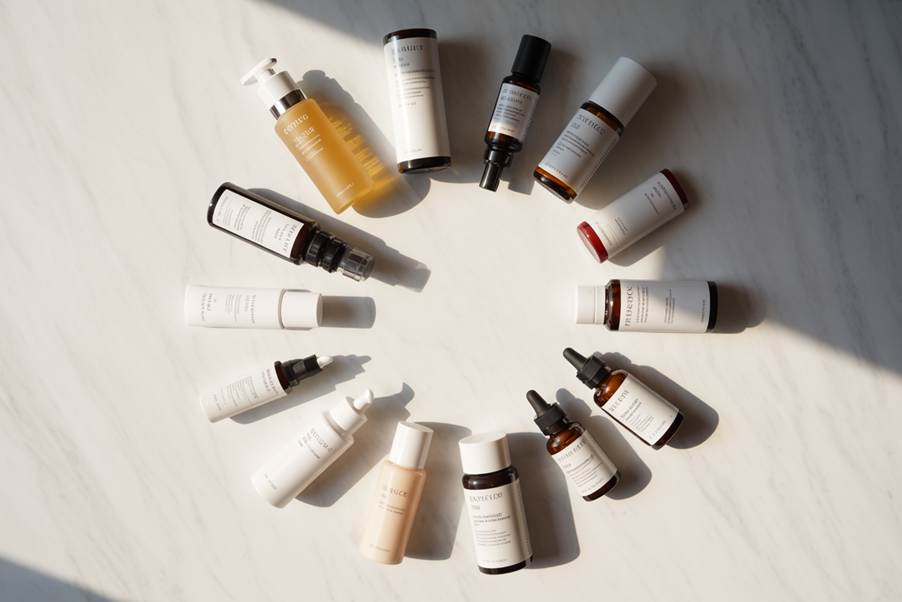
Skin cycling follows a simple four-night pattern that repeats continuously. Night one focuses on exfoliation, typically using chemical exfoliants like AHAs or BHAs to remove dead skin cells and unclog pores. Night two introduces retinoids or retinol products to stimulate cell turnover and collagen production. Nights three and four serve as recovery periods where your skin barrier repairs itself using gentle, nourishing ingredients.
This systematic approach prevents ingredient conflicts and reduces the risk of irritation that often comes from using multiple active ingredients simultaneously. The rotation gives each active ingredient its moment to work without interference while providing adequate recovery time between applications.
The beauty of this method lies in its structured simplicity. You’re not guessing which products to use when or wondering if certain combinations might cause problems. The predetermined schedule takes the guesswork out of skincare routines while maximizing the effectiveness of each product.
Active Ingredients Schedule Breakdown
Night 1 – Exfoliation:
- Salicylic acid (BHA) for oily, acne-prone skin
- Glycolic acid (AHA) for anti-aging and texture concerns
- Lactic acid (AHA) for sensitive skin types
- Mandelic acid (AHA) for beginners or reactive skin
Night 2 – Retinoids:
- Prescription tretinoin for maximum results
- Over-the-counter retinol for gentler effects
- Retinyl palmitate for sensitive skin
- Bakuchiol as a natural retinol alternative
Nights 3-4 – Recovery:
- Niacinamide for pore refinement and oil control
- Hyaluronic acid for deep hydration
- Peptides for collagen support
- Ceramides for barrier repair
The active ingredients work synergistically over the four-day cycle. Exfoliation on night one prepares your skin to better absorb the retinoid on night two. The recovery nights allow your skin to process these powerful ingredients while rebuilding its protective barrier.
Rest Nights and Recovery Process
Recovery nights aren’t just “filler” days – they’re when the real magic happens. Your skin uses this downtime to repair micro-damage caused by active ingredients and strengthen its natural barrier function. During these nights, focus on hydrating serums, gentle moisturizers, and barrier-supporting ingredients.
Proper recovery prevents over-exfoliation, reduces sensitivity, and maintains healthy skin function. Signs of adequate recovery include reduced redness, improved texture, and no persistent irritation or flaking. If your skin feels tight, looks inflamed, or shows persistent dryness, you might need to extend your recovery period or reduce the potency of your active ingredients.
The recovery process also allows your skin’s pH to normalize after chemical exfoliation and gives cellular repair mechanisms time to work effectively. This balance between stimulation and restoration is what makes skin cycling more sustainable than daily active ingredient use.
Science Behind the Skin Cycling Method

How Your Skin Barrier Functions and Repairs
Your skin barrier is basically your body’s first line of defense, working 24/7 to keep the good stuff in and the bad stuff out. This protective layer consists of dead skin cells held together by lipids, creating what scientists call the “brick and mortar” structure. When this barrier gets compromised from over-exfoliation or harsh products, your skin becomes irritated, dehydrated, and more prone to breakouts.
The repair process happens naturally during your sleep cycle, with peak regeneration occurring between 11 PM and 4 AM. During this time, your skin produces new cells, repairs DNA damage from daily environmental stressors, and rebuilds those crucial lipid layers. The cycling approach works with this natural rhythm by giving your skin scheduled recovery days between active treatments.
When you damage your barrier faster than it can repair itself, you end up with chronic inflammation and sensitivity. Skin cycling prevents this by alternating between treatment nights and recovery nights, allowing your barrier to strengthen between active ingredient applications.
Chemical Exfoliation and Cell Turnover Benefits
Chemical exfoliants like AHAs and BHAs work by dissolving the bonds between dead skin cells, revealing fresher skin underneath. Your skin naturally sheds cells every 28 days, but this process slows down as you age, leading to dullness and clogged pores.
The cycling method maximizes chemical exfoliation benefits while minimizing irritation risk. Using acids too frequently can actually slow down cell turnover by causing inflammation and barrier damage. When you space out treatments, you give newly revealed skin cells time to mature and strengthen before the next exfoliation session.
Different acids work at different depths:
- Glycolic acid penetrates deepest, targeting fine lines and pigmentation
- Salicylic acid works inside pores, making it ideal for acne-prone skin
- Lactic acid provides gentler exfoliation while hydrating
The alternating schedule prevents acid buildup and allows each treatment to work more effectively than daily application.
Retinoid Absorption and Effectiveness Patterns
Retinoids need time to work their magic, and your skin needs time to adapt to them. These vitamin A derivatives increase cell turnover, boost collagen production, and regulate oil production, but they also cause initial irritation as your skin adjusts.
Research shows that retinoid effectiveness peaks when skin has adequate recovery time between applications. Daily use often leads to excessive dryness and peeling, which actually reduces the ingredient’s penetration and benefits. The cycling schedule allows retinoids to:
- Penetrate deeper into skin without barrier compromise
- Minimize the notorious “retinoid uglies” adjustment period
- Maintain consistent results without tolerance buildup
- Work synergistically with other active ingredients on alternate nights
Your skin’s retinoid receptors also need time to process and respond to the ingredient, making the rest days crucial for optimal results.
Clinical Studies Supporting Cyclical Skincare
Multiple dermatological studies demonstrate that cyclical application of active ingredients produces superior results compared to daily use. A 2019 study published in the Journal of Cosmetic Dermatology found that participants using a 4-day cycling routine showed 23% better improvement in skin texture and 31% less irritation compared to daily active ingredient users.
Research from the International Journal of Dermatology revealed that alternating exfoliation schedules resulted in:
| Cycling Schedule | Daily Use | Improvement |
| Skin smoothness | 67% | 41% |
| Pore appearance | 52% | 28% |
| Overall tolerance | 89% | 34% |
Another study tracking 200 participants over 12 weeks found that those following structured cycling routines had significantly better long-term compliance and satisfaction rates. The research showed that giving skin regular recovery periods prevented the plateau effect often seen with continuous active ingredient use.
These findings support what dermatologists have observed clinically: skin responds better to strategic rest periods, allowing each treatment to work more effectively while maintaining barrier health.
Real Benefits You Can Expect from Skin Cycling
Reduced Skin Irritation and Sensitivity
Skin cycling dramatically cuts down on the inflammation and irritation that comes from bombarding your face with active ingredients every single night. When you give your skin designated recovery days between potent treatments like retinoids and chemical exfoliants, you’re allowing your skin barrier to rebuild and strengthen. This strategic approach prevents the angry redness, peeling, and burning sensation that many people experience when they go too hard with their skincare routine.
Your skin gets time to adjust gradually to stronger ingredients, which means less shock to your system. People with sensitive skin types often find they can actually tolerate products they previously couldn’t use when following a cycling schedule. The built-in rest periods create a buffer that helps your skin adapt without going into full defensive mode.
Enhanced Product Absorption and Efficacy
The recovery phases in skin cycling aren’t just about giving your skin a break – they’re about setting the stage for better product performance. When your skin barrier is healthy and intact, it can actually absorb and process active ingredients more effectively. Think of it like preparing soil before planting seeds.
During recovery nights, your skin repairs microscopic damage and optimizes its natural renewal processes. This creates the perfect environment for actives to penetrate deeper and work more efficiently during treatment nights. You’ll often notice that your retinol or acid treatments feel more powerful and deliver better results when your skin isn’t constantly stressed from overuse.
The cycling method also prevents product tolerance, where your skin becomes less responsive to ingredients over time. By giving your skin breaks, you maintain sensitivity to treatments, ensuring they continue working effectively long-term.
Improved Skin Texture and Tone Results
Consistent skin cycling leads to smoother, more even-toned skin because it optimizes your natural cell turnover process. The strategic use of exfoliating acids followed by recovery periods allows dead skin cells to shed properly while new, healthy cells develop underneath. This creates a more refined skin texture over time.
The controlled approach to active ingredients prevents over-exfoliation, which can actually worsen skin texture and create uneven patches. Instead, you get steady, sustainable improvement in skin smoothness and clarity. Many people notice their pores appear smaller and their complexion looks more radiant after several weeks of proper cycling.
The method is particularly effective for addressing hyperpigmentation and acne scarring because it provides consistent but gentle encouragement for skin renewal without causing additional trauma that could worsen discoloration.
Long-term Anti-Aging Prevention
Skin cycling sets you up for healthier aging by maintaining optimal skin barrier function while still delivering powerful anti-aging ingredients. The recovery periods help preserve your skin’s natural collagen production and prevent the chronic inflammation that accelerates aging.
Regular but controlled use of retinoids and other anti-aging actives through cycling provides cumulative benefits without the skin damage that can occur from aggressive daily use. Your skin stays resilient and responsive to treatments, which means better long-term results for fine lines, wrinkles, and skin firmness.
This approach also teaches you sustainable habits that you can maintain for years without burning out your skin or needing to constantly escalate to stronger products.
Cost-Effective Skincare Routine Management
Skin cycling naturally reduces product consumption because you’re not applying expensive actives every single night. A bottle of retinol or vitamin C serum will last significantly longer when used 2-3 times per week instead of daily. This makes high-quality skincare products more accessible and sustainable for your budget.
The method also reduces the need for expensive corrective treatments or products to fix damage from over-use of actives. You’re less likely to need additional products to calm irritation or repair your skin barrier when you’re cycling properly from the start.
Many people find they can invest in fewer, higher-quality products rather than accumulating a cabinet full of items trying to address various skin issues caused by an overly aggressive routine.
Common Mistakes That Make Skin Cycling Ineffective
Using Wrong Product Concentrations
Starting with too high concentrations is the fastest way to sabotage your skin cycling routine. Many people get excited about active ingredients and jump straight into high-strength retinoids or 20% glycolic acid, thinking more powerful equals better results. Your skin needs time to build tolerance, especially when cycling multiple actives.
New retinol users should begin with 0.25% or 0.5% concentrations, using them only once or twice per week initially. Chemical exfoliants like AHA and BHA should start around 5-10% for most skin types. Even experienced users who’ve taken a break from actives should restart at lower concentrations.
The opposite problem also derails progress – using concentrations too weak to make any difference. If you’ve been using 2% salicylic acid for months without irritation, stepping up to a higher percentage or professional-grade product might be necessary for continued improvement.
Pay attention to your skin’s response during each cycling phase. Mild tingling during application is normal, but persistent redness, burning, or peeling means you need to dial back the concentration or frequency.
Skipping Essential Recovery Steps
Recovery nights aren’t optional filler days – they’re when your skin rebuilds and strengthens itself. Many people treat these nights as “wasted” opportunities to pile on more actives, completely missing the point of skin cycling.
During recovery phases, your skin barrier repairs microscopic damage from active ingredients. Skipping this crucial step leads to chronic irritation, increased sensitivity, and compromised skin barrier function. You’ll end up with angry, reactive skin that can’t handle any actives at all.
Recovery nights should focus on hydration and barrier repair. Look for ingredients like ceramides, hyaluronic acid, niacinamide, and peptides. Avoid anything with active exfoliating or anti-aging ingredients – save the tretinoin, glycolic acid, and vitamin C for their designated nights.
Some people make recovery nights too complicated with 10-step routines. Keep it simple: gentle cleanser, hydrating serum or essence, moisturizer, and face oil if needed. Your skin needs rest, not another active ingredient to process.
Mixing Incompatible Active Ingredients
Chemical conflicts between active ingredients can neutralize their effectiveness or create irritation that damages your skin barrier. The most common mistake is combining vitamin C with retinoids or acids on the same night, which can cause sensitivity and reduce the potency of both ingredients.
Vitamin C works best at a lower pH, while retinoids prefer a higher pH environment. Using them together forces one to work in suboptimal conditions. Similarly, combining AHA or BHA with retinoids increases irritation risk without boosting benefits.
Even during separate cycling phases, the order matters. Using a strong exfoliant one night followed immediately by retinol can overwhelm sensitive skin types. Space these intensive treatments with proper recovery periods.
pH conflicts also occur when layering products incorrectly. Apply vitamin C to clean skin first, wait 10-15 minutes, then follow with other products. Acids should go on clean skin before moisturizers and oils. When in doubt, separate conflicting ingredients by several hours or different days entirely.
Watch for subtle signs of ingredient conflicts: unusual stinging, unexpected breakouts, or reduced effectiveness from products that previously worked well. These signals often indicate your current combination needs adjustment.
Who Should Try Skin Cycling vs Who Should Avoid It
Ideal Candidates for Maximum Results
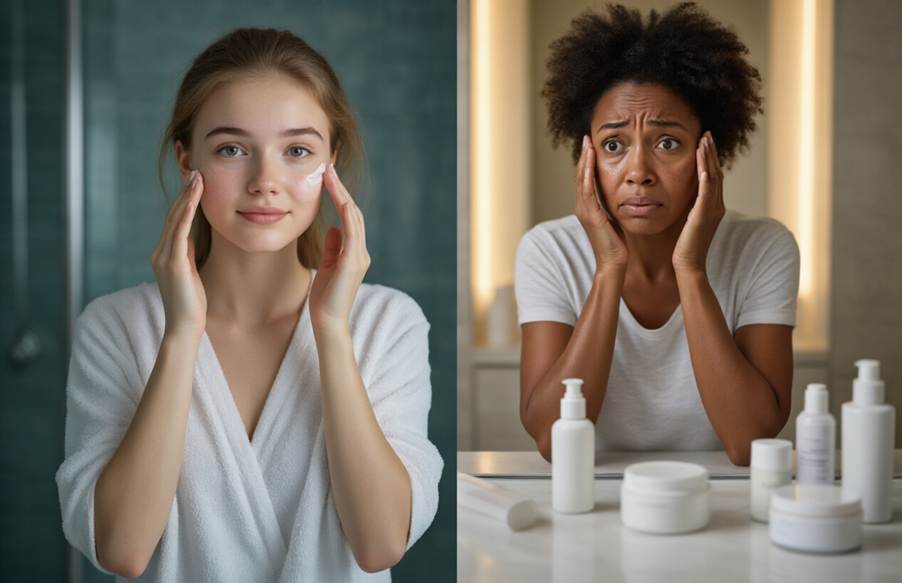
People with established skincare routines who understand their skin’s basic needs make the best candidates for skin cycling. If you’ve already built tolerance to active ingredients like retinol or salicylic acid, you’ll likely see faster, more dramatic results. Those dealing with multiple skin concerns simultaneously – think acne plus hyperpigmentation or fine lines with dullness – often experience the most significant improvements because skin cycling addresses various issues systematically.
Individuals with patience and consistency in their approach also see better outcomes. Skin cycling requires dedication to follow the schedule for at least 6-8 weeks before judging effectiveness. People who enjoy experimenting with skincare and tracking their progress tend to stick with the method longer and achieve their goals.
Skin Types That Benefit Most
Normal to combination skin responds exceptionally well to skin cycling because these skin types can typically handle the rotation of active ingredients without excessive irritation. The varied approach prevents overloading any single area while addressing different zones’ unique needs.
Oily and acne-prone skin often sees remarkable improvements, particularly when dealing with:
- Persistent breakouts that haven’t responded to single-ingredient treatments
- Clogged pores and blackheads
- Post-inflammatory hyperpigmentation
- Excess oil production
Mature skin showing early signs of aging benefits from the strategic use of retinoids and exfoliants, which work together to boost cell turnover and improve texture without overwhelming the skin’s natural barrier.
Conditions Where Alternative Approaches Work Better
Certain skin conditions require more targeted, consistent treatment approaches rather than the cycling method:
Active rosacea or severe sensitivity needs gentle, consistent care rather than the varying intensity of skin cycling. The rotating active ingredients can trigger flares and worsen inflammation. A simplified routine with consistent, calming ingredients works better.
Severe acne requiring prescription treatments should stick with dermatologist-prescribed regimens. Tretinoin, antibiotics, or other prescription medications need consistent use to maintain effectiveness, and cycling can interfere with treatment protocols.
Compromised skin barriers from over-exfoliation, eczema, or recent procedures need repair-focused routines rather than active ingredient rotation. These conditions require consistent barrier-supporting ingredients like ceramides and gentle moisturizers.
Melasma and hormone-related pigmentation often respond better to consistent, targeted treatments rather than cycling approaches that might disrupt the steady progress needed for pigment reduction.
Age Considerations and Hormonal Factors
Teenagers and young adults (13-25) should approach skin cycling cautiously. Hormonal fluctuations during puberty can make skin unpredictable, and adding cycling complexity might worsen breakouts. Starting with single active ingredients and building tolerance works better for this age group.
Adults in their 30s and 40s represent the sweet spot for skin cycling success. Hormone levels are typically more stable, and skin concerns become more complex, making the multi-targeted approach particularly effective.
Pregnant and breastfeeding individuals should avoid skin cycling altogether due to restrictions on many active ingredients like retinoids and certain acids. Simple, pregnancy-safe routines provide better peace of mind.
Menopause brings unique challenges as estrogen decline affects skin thickness and moisture retention. While skin cycling can help, the approach might need modification with longer recovery periods and more emphasis on hydrating products during the cycling phases.
Women experiencing hormonal fluctuations from conditions like PCOS might find their skin’s tolerance varies dramatically throughout their cycle, making the structured cycling approach less predictable and potentially more irritating than consistent, gentle care.
Expert Tips for Maximizing Your Skin Cycling Success
Product Selection Guidelines for Each Cycle Day
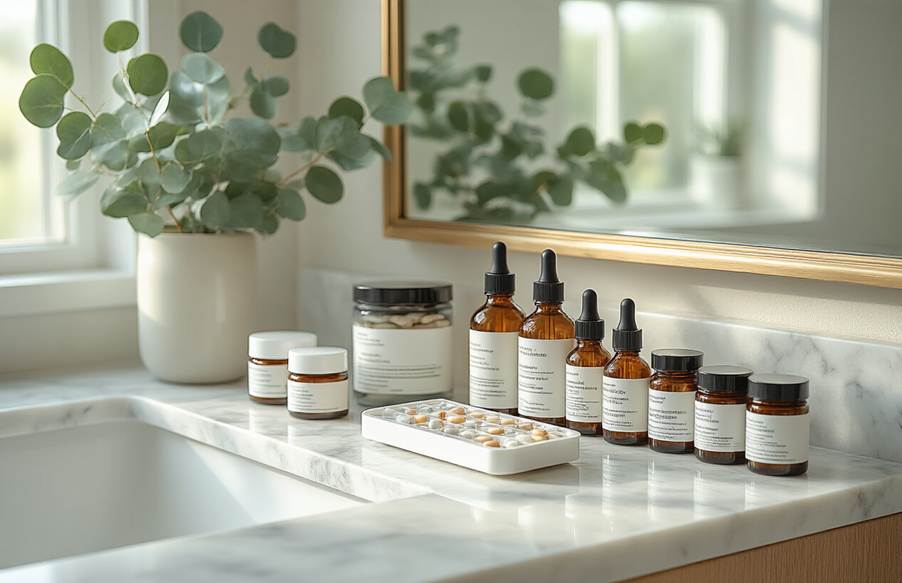
The success of your skin cycling routine depends heavily on choosing the right products for each specific day. For exfoliation night, opt for chemical exfoliants over physical scrubs. AHA products like glycolic acid work best for surface-level concerns and brightening, while BHA options such as salicylic acid target deeper pore issues and oily skin. Start with lower concentrations (5-10% for AHAs, 0.5-2% for BHAs) and gradually increase as your skin adapts.
Retinoid night requires careful product selection based on your experience level. Beginners should start with over-the-counter retinol products (0.25-0.5%), while those with established tolerance can use stronger retinoids like tretinoin. Always apply retinoids to completely dry skin and avoid mixing with vitamin C or benzoyl peroxide on the same night.
Recovery nights call for gentle, barrier-repairing ingredients. Look for products containing ceramides, niacinamide, hyaluronic acid, and peptides. Avoid anything with fragrances, essential oils, or active ingredients that could disrupt your skin’s healing process.
Product Selection Criteria:
| Day Type | Key Ingredients | Avoid |
| Exfoliation | AHA/BHA, pH 3.5-4 | Physical scrubs, high pH |
| Retinoid | Retinol/tretinoin | Vitamin C, benzoyl peroxide |
| Recovery | Ceramides, niacinamide | Fragrances, actives |
Timing and Application Techniques That Work
Proper timing and application methods can make or break your skin cycling results. Always perform your routine on freshly cleansed, completely dry skin. The “wait time” between steps matters more than you might think. After cleansing, wait 15-20 minutes before applying active ingredients to ensure your skin’s pH has normalized and moisture has evaporated.
For exfoliation night, apply your acid treatment first, then wait 20-30 minutes before layering any other products. This waiting period allows the acid to work at its optimal pH level without interference from other ingredients.
Retinoid application requires the most precision. Apply a pea-sized amount to your entire face, avoiding the eye area and corners of your mouth initially. Use the “sandwich method” if you experience irritation: apply a thin layer of moisturizer, then retinoid, then more moisturizer. This technique reduces irritation while maintaining effectiveness.
Application Timeline:
- PM Routine Start: 30-60 minutes before bed
- Cleanse: Double cleanse if wearing sunscreen/makeup
- Wait Time: 15-20 minutes after cleansing
- Active Application: Follow specific product instructions
- Final Steps: Moisturizer and recovery products
Monitoring Progress and Adjusting Your Routine
Track your skin’s response weekly rather than daily to avoid making reactive decisions based on temporary fluctuations. Take photos in consistent lighting conditions every two weeks, focusing on your main concerns like texture, pigmentation, or breakouts. Keep a simple log noting any irritation, dryness, or improvements.
Watch for signs that indicate you need to adjust your routine. Persistent redness, increased sensitivity, or worsening breakouts after 4-6 weeks suggest your current approach needs modification. You might need to reduce active ingredient frequency, lower concentrations, or extend recovery periods.
Seasonal adjustments are crucial for long-term success. During winter months, you may need extra recovery nights or gentler formulations. Summer often requires more frequent exfoliation due to increased oil production and sun exposure, but always balance this with proper sun protection.
Progress Indicators:
- Positive: Smoother texture, fewer breakouts, improved radiance
- Concerning: Persistent irritation, increased sensitivity, worsening skin
- Adjustment Triggers: No improvement after 8 weeks, excessive dryness, barrier damage
The key to successful skin cycling lies in patience and consistency rather than aggressive treatment. Most people see initial improvements within 4-6 weeks, with more significant results appearing after 3-4 months of consistent practice.
Skin cycling has proven itself as more than just another trending skincare fad. The science backs up the method’s approach of alternating active ingredients with recovery nights, giving your skin time to repair while still targeting specific concerns like acne, aging, and texture issues. When done correctly, most people see real improvements in their skin’s overall health and appearance within a few weeks. The key to success lies in understanding your skin type, starting slowly, and avoiding the temptation to rush the process. If you have sensitive skin or are new to active ingredients, this method offers a gentler way to introduce powerful treatments into your routine. Ready to give your skin the balanced approach it deserves? Start with just one active ingredient, listen to how your skin responds, and remember that consistency beats intensity every time.